

Signs and Symptoms That Indicate Physical Therapy Might Be Needed
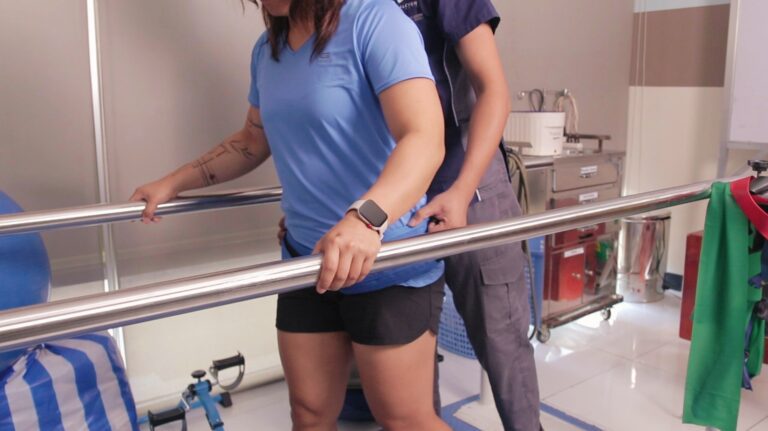
Physical therapy is a powerful way to restore movement, reduce pain, and improve overall function after an injury or due to chronic conditions. However, many people hesitate to visit a physical therapy clinic until their pain becomes unbearable or mobility is severely limited. The truth is, early intervention often prevents further complications and speeds up recovery.
If you’re wondering whether physical therapy could benefit you, here are some common signs and symptoms to watch for that indicate it might be time to consult a physical therapist—whether you’re searching for physical therapy in the Philippines or specifically in Makati.
1. Persistent Pain That Won’t Go Away
One of the most obvious signs you might need physical therapy is ongoing pain that doesn’t improve with rest or over-the-counter medications. Whether it’s in your back, neck, joints, or muscles, persistent pain could signal an underlying problem that a physical therapy clinic can address.
Physical therapists use techniques like manual therapy, targeted exercises, and therapeutic modalities to reduce pain and promote healing. Ignoring persistent pain can lead to worsening symptoms and decreased quality of life.
2. Limited Range of Motion or Stiffness
If you notice a joint or muscle no longer moves as freely as it used to, or you feel stiffness after inactivity, physical therapy might be necessary. Limited range of motion can result from injury, surgery, arthritis, or other chronic conditions.
A physical therapist can assess your movement, identify restrictions, and design a personalized exercise program to restore flexibility and strength. Improving range of motion reduces discomfort and helps prevent injuries.
3. Difficulty Performing Everyday Activities
Struggling with daily tasks like climbing stairs, getting out of a chair, or carrying groceries is a red flag that your body may need specialized care.
Physical therapists focus on improving your ability to perform essential activities that maintain independence and quality of life. Through strength training, balance exercises, and functional retraining, therapy helps you regain confidence and movement.
4. Recent Surgery or Injury
If you’ve recently had surgery, especially orthopedic procedures like joint replacements or ligament repairs, physical therapy is a key part of your recovery plan.
Similarly, fractures, sprains, or strains benefit from therapy to reduce swelling, rebuild strength, and restore movement. Early physical therapy after surgery or injury can prevent stiffness, muscle loss, and long-term disability.
5. Chronic Conditions Like Arthritis or Neurological Disorders
Conditions such as arthritis, multiple sclerosis, Parkinson’s Disease, or stroke can impact mobility and function. Physical therapy helps manage symptoms, slow disease progression, and improve quality of life.
For instance, physical therapists can teach joint protection techniques and prescribe exercises to maintain muscle strength in arthritis patients. In neurological disorders, therapy targets balance, coordination, and motor control.
6. Balance Issues or Frequent Falls
If you often lose balance or experience multiple falls, physical therapy might be essential to prevent injuries. Balance problems can stem from muscle weakness, poor coordination, medication effects, or inner ear issues.
A physical therapist can evaluate your balance and develop tailored exercises to strengthen muscles and improve stability. Fall prevention programs may also include gait training and home safety education.
7. Numbness, Tingling, or Weakness
Symptoms like numbness, tingling, or muscle weakness often indicate nerve involvement, requiring professional evaluation. Conditions such as sciatica or carpal tunnel syndrome respond well to physical therapy.
Therapists use specific techniques to relieve nerve pressure, improve posture, and strengthen muscles. Early treatment can prevent permanent nerve damage and restore function.
8. Poor Posture or Chronic Muscle Tension
Poor posture from sedentary lifestyles or improper ergonomics often leads to muscle tension, headaches, or back pain.
Physical therapy corrects postural imbalances by strengthening weak muscles and stretching tight ones. Therapists also educate on ergonomics and healthy habits to prevent future problems.
9. Sports-Related Injuries or Performance Issues
Active individuals or athletes experiencing pain, decreased performance, or recurring injuries benefit from physical therapy. Therapists help recovery and provide injury prevention strategies and sport-specific conditioning.
By identifying muscle imbalances or biomechanical faults, physical therapy helps athletes return to their sport safely and perform at their best.
Discover Expert Physical Therapy in Makati at Halcyon Fitness

If you’re noticing any of these signs or symptoms, Halcyon Fitness is a leading physical therapy clinic in Makati ready to help you regain strength, mobility, and quality of life. Serving clients looking for trusted physical therapy in the Philippines, our licensed therapists provide personalized care tailored to your unique needs.
At Halcyon Fitness, we believe everyone deserves to move better and feel stronger—whether recovering from injury, managing chronic conditions, or improving overall function. Our modern facility offers evidence-based treatments like manual therapy, therapeutic exercises, and movement retraining.
We work closely with you to create a customized therapy plan that supports your recovery and prevents future injuries. Our integrated approach links physical therapy with fitness conditioning and rehabilitation Pilates, offering comprehensive wellness support.
Don’t let pain or limited movement hold you back. Contact Halcyon Fitness today to take the first step toward a stronger, more active you. Your body will thank you.