
Rehabilitation After Stroke: The Role of Physical Therapy
A stroke can change a person’s life in an instant. Whether mild or severe, the aftermath often brings significant challenges—especially in mobility, coordination, and independence. Rehabilitation plays a vital role in helping stroke survivors recover and adapt. Among the many components of post-stroke care, physical therapy remains one of the most essential and effective interventions.
Understanding Stroke and Its Impact
A stroke happens when the brain’s blood supply is disrupted, resulting in reduced oxygen and nutrient flow. This can lead to brain cell damage and a range of physical and cognitive impairments. Common effects include:
Weakness or paralysis on one side of the body
Poor balance and coordination
Limited range of motion
Muscle stiffness or spasticity
Difficulty with everyday tasks
These challenges can make basic movements like walking or standing difficult. This is where physical therapy becomes a cornerstone of recovery.
The Role of Physical Therapy After a Stroke
The primary goal of physical therapy is to help individuals regain as much function and independence as possible. Treatment is personalized, depending on the extent of impairment and the patient’s goals. Common objectives include:
Restoring strength and mobility
Improving balance and coordination
Preventing joint stiffness and other complications
Building confidence in performing daily tasks independently
A well-structured therapy program often makes the difference between long-term dependence and the ability to return to daily life with greater ease.
What to Expect from Stroke Rehabilitation
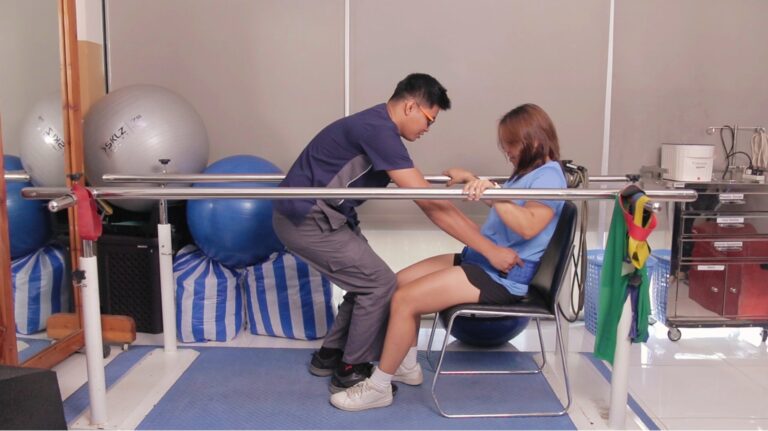
Rehabilitation typically begins in the hospital once a patient is stable. It can continue at a dedicated rehabilitation facility, at home, or through outpatient sessions. At a trusted physical therapy clinic, patients receive guidance through exercises and treatments designed to rebuild strength and movement patterns.
Therapy may include:
Strengthening and flexibility exercises
Gait and mobility training
Posture and balance retraining
Neuromuscular stimulation
Use of assistive devices like walkers or braces
In the Philippines, stroke rehabilitation programs vary, but top centers emphasize a comprehensive, team-based approach. In busy urban centers like Makati, access to advanced physical therapy services is more readily available, offering convenience for patients and caregivers alike.
Staying Motivated During Recovery
Stroke recovery is often a long journey with gradual progress. Motivation, consistency, and encouragement from both professionals and loved ones are critical. Physical therapists not only help guide movement recovery but also play a key role in emotional support—keeping patients focused, hopeful, and engaged.
A Team-Based Approach
Physical therapy is often part of a broader care plan that includes occupational therapy, speech therapy, and psychological support. Working together, these specialists create a holistic approach to rehabilitation. Involving caregivers is also essential, as they support exercises at home and reinforce safety and mobility techniques.
Choosing the right physical therapy clinic can make a significant impact on recovery. At Halcyon Fitness, our rehabilitation program is tailored to meet the unique needs of each patient. We offer compassionate care and evidence-based therapy in a welcoming environment.
For those seeking physical therapy in Makati, Halcyon Fitness provides accessible, professional services. Whether you’re starting your recovery journey or continuing long-term rehabilitation, we’re here to support each step.
Every step forward matters. Let us help you take the next one.
| Cookie | Duration | Description |
|---|---|---|
| cookielawinfo-checkbox-analytics | 11 months | This cookie is set by GDPR Cookie Consent plugin. The cookie is used to store the user consent for the cookies in the category "Analytics". |
| cookielawinfo-checkbox-functional | 11 months | The cookie is set by GDPR cookie consent to record the user consent for the cookies in the category "Functional". |
| cookielawinfo-checkbox-necessary | 11 months | This cookie is set by GDPR Cookie Consent plugin. The cookies is used to store the user consent for the cookies in the category "Necessary". |
| cookielawinfo-checkbox-others | 11 months | This cookie is set by GDPR Cookie Consent plugin. The cookie is used to store the user consent for the cookies in the category "Other. |
| cookielawinfo-checkbox-performance | 11 months | This cookie is set by GDPR Cookie Consent plugin. The cookie is used to store the user consent for the cookies in the category "Performance". |
| viewed_cookie_policy | 11 months | The cookie is set by the GDPR Cookie Consent plugin and is used to store whether or not user has consented to the use of cookies. It does not store any personal data. |